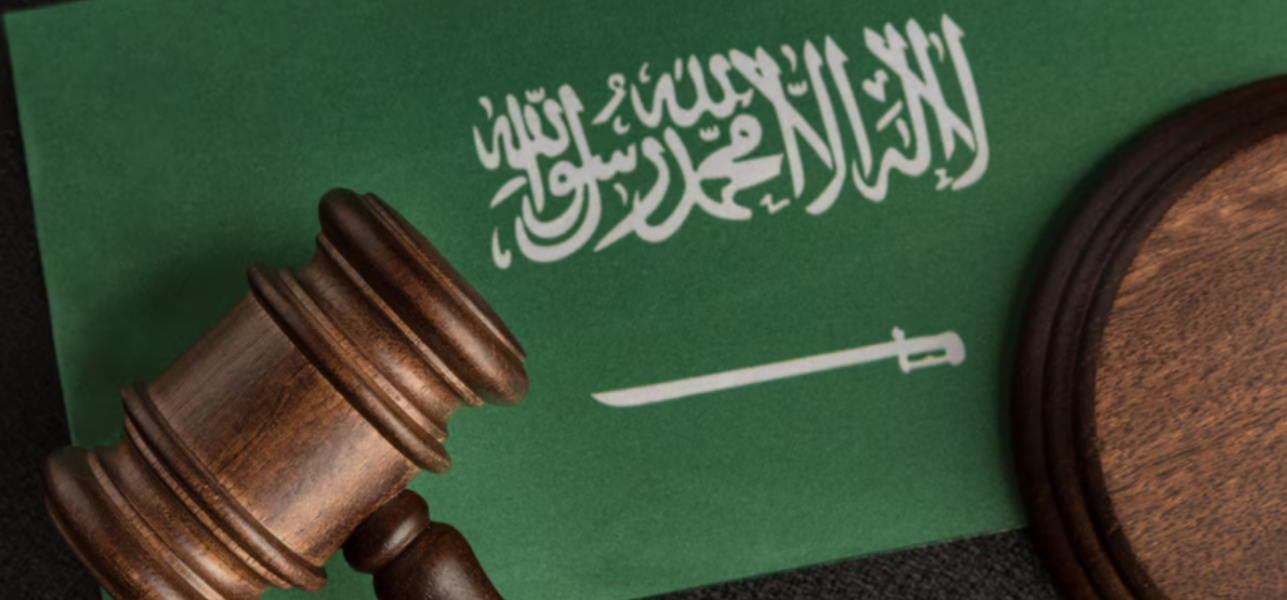
The Taliban’s newly enacted penal code quietly signed by Supreme Leader Hibatullah Akhundzada on January 7, 2026 has provoked deep concern among scholars of Islamic law, human rights advocates, and Afghan citizens alike. Early analyses reveal that the code not only permits but structurally legitimizes forms of domestic violence, imposes gender‑based restrictions that criminalize women’s basic movements, and introduces a caste‑like hierarchy of legal worth across the Afghan society. These developments represent one of the most far‑reaching rewritings of Afghanistan’s legal landscape since the Taliban’s return to power, with consequences that fall disproportionately and devastatingly on Afghan women. [sunnah.com], [abuaminaelias.com]
Because these new legal provisions have been framed by their authors as expressions of Islamic governance, it is essential to examine them not only through the lens of contemporary human rights standards but, more importantly, through the primary sources of Islamic authority: the Qur’an and the authentic Sunna. This is especially urgent given that much of the criticism inside Afghanistan has been suppressed; discussing the code publicly has itself been deemed an offense under the new legal regime. What remains, therefore, is the broader Muslim world’s responsibility to assess the code’s claims to Islamic legitimacy. [thesubmitters.org]
This analysis seeks to do precisely that. By comparing the Taliban’s penal code with foundational Qur’anic principles justice (ʿadl), benevolence (iḥsān), and the prohibition of harm (lā ḍarar wa lā dirār) alongside the Prophet’s own conduct and established legal doctrine, we uncover profound and irreconcilable contradictions. These contradictions are not matters of minor juristic disagreement; they strike at the heart of Sharia’s ethical framework, the Prophetic model of mercy, and the Qur’an’s universal insistence on human dignity.
At a moment when Afghan women face unprecedented legal vulnerability, and when the institutions meant to mediate justice have been structurally distorted, it becomes imperative for Muslim scholars, leaders, and the global public to speak clearly. The purpose of this article is not political but principled: to determine whether the Taliban’s penal code can withstand scrutiny under the very sources it invokes, and to call attention to the theological and ethical responsibilities that such scrutiny demands.
Context (what changed): The code signed by the Taliban’s supreme leader on Jan 7, 2026 (119 articles) permits husbands to physically punish wives and children if there are no open wounds or broken bones; criminalizes women visiting relatives without the husband’s permission (up to three months’ imprisonment for the woman and for relatives sheltering her); recognizes a status hierarchy (“free” vs. “enslaved”) with different penalties; authorizes private execution of taʿzīr punishments; and suppresses public criticism of the code. [St. John o…oxinfo.com], [almuslih.org], [pursuingveritas.com], [journals.o…dition.org]
1) Domestic Violence & the Treatment of Women
What the code does:
Legalizes wife beating below a harm threshold; limits criminal liability to “severe injury” and places the burden of proof on the wife; allows jailing a woman for visiting her own family without permission; and withholds protection for psychological and sexual abuse. [St. John o…oxinfo.com], [middleeast…onitor.com]
Qur’an & Sunna:
The Qur’an commands benevolence and kindness toward wives and forbids coercion and mistreatment:
“Live with them in kindness (maʿrūf). If you dislike them, it may be that you dislike something in which Allah has placed much good.” (Q 4:19) [quran.com]
The Prophet ﷺ never hit a woman. ʿĀʾishah (rA) said: “The Messenger of Allah never struck anything with his hand, neither a woman nor a servant…” (Ṣaḥīḥ Muslim 2328; also Sunan Ibn Mājah 1984). This establishes a Prophetic norm of non‑violence in the household. [abuaminaelias.com], [sunnah.com]
The legal maxim from the Sunna: “No harm and no reciprocating harm” (lā ḍarar wa lā ḍirār) a controlling principle used by jurists to prevent injury in all transactions and family matters (Hadith 32 in al‑Nawawī’s Forty). Any law that permits harm against a vulnerable spouse contradicts this maxim. [sunnah.com]
Why the code conflicts:
By making visible fracture the threshold of a crime, the code normalizes harm that the Qur’an and Sunna seek to remove from family life. It also reverses the burden from the aggressor to the victim and criminalizes a woman’s recourse to safety (visiting kin), which violates the command to live with wives in maʿrūf (kindness) and the principle of no harm. [St. John o…oxinfo.com], [quran.com], [sunnah.com]
2) Justice, Proof Standards, and Equality Before the Law
What the code does:
Introduces a caste‑like hierarchy (“free” vs. “enslaved”; four social classes) that affects punishments and appears to give elites and religious figures near immunity while imposing harsher sanctions on “lower” classes. It also suppresses criticism and public discussion. [almuslih.org], [pursuingveritas.com]
Qur’an & Sunna:
Universal, impartial justice is categorical:
“Be steadfast for Allah as witnesses in justice, and do not let hatred of a people prevent you from being just; be just, that is closer to piety.” (Q 5:8) [quran.com], [myislam.org]
Moral equality of all humans is explicit:
“O humankind! We created you from male and female and made you peoples and tribes so that you may know one another. The most noble of you with Allah is the most God‑fearing.” (Q 49:13) Any hierarchy of legal worth contradicts this criterion. [quran.com], [surahquran.com]
Allah commands justice and iḥsān and forbids oppression (baghy). (Q 16:90) Making punishments depend on social status rather than evidence and due process undermines this command. [quran.com], [surahquran.com]
Why the code conflicts:
A system that grades penalties by class and silences criticism violates the Qur’anic imperatives of equal justice and the prohibition of oppression, and it undermines accountability for those in power. [almuslih.org], [quran.com]
3) Authorizing Private Taʿzīr (Discretionary) Punishments
What the code does:
Distinguishes ḥadd vs. taʿzīr and authorizes husbands and “masters” to execute taʿzīr punishments effectively privatizing coercion and vigilantism inside the family. [St. John o…oxinfo.com]
Islamic legal doctrine:
In classical fiqh, taʿzīr is a state/judicial discretionary punishment administered by a qāḍī or ruler, not by private individuals. It exists precisely to prevent arbitrary violence and to tailor public penalties for social order. [en.wikipedia.org], [law.jrank.org], [kspublisher.com]
Why the code conflicts:
By delegating taʿzīr to private parties, the code collapses the separation between adjudication and private passion that the Sharīʿa’s penal taxonomy was designed to uphold. This invites abuse and contradicts the judicial character of taʿzīr. [en.wikipedia.org], [law.jrank.org]
4) Criminalizing Women’s Movement & Family Ties
What the code does:
Imprisons women for visiting parents/relatives without the husband’s consent and punishes relatives who shelter them eliminating a key safety valve for abused women. [St. John o…oxinfo.com]
Qur’an & Sunna:
The Qur’an protects women from coercion and commands dignified treatment: “It is not lawful for you to inherit women against their will… and live with them in kindness.” (Q 4:19) Blocking access to family support coerces women and contravenes the kinship‑care ethic embedded in Qur’anic social order. [quran.com]
The Farewell Sermon and authentic reports emphasize: “Fear Allah concerning women; you have taken them as a trust from Allah…” (Ṣaḥīḥ Muslim 1218), linking male duty to women’s provision, clothing, and kindness, not to imprisonment for seeking refuge. [abuaminaelias.com]
Why the code conflicts:
Criminalizing a woman’s recourse to family protection and punishing her relatives weaponizes guardianship, inverting Qur’anic guidance to care for kin and to live with wives in maʿrūf. [quran.com], [abuaminaelias.com]
5) Silencing Dissent & Forcing Obedience
What the code does:
Criminalizes public discussion and criticism of the code; mandates absolute obedience to the supreme leader; expands liability for “silence” in the face of dissent. [pursuingveritas.com], [pursuit.un…elb.edu.au]
Qur’an & Sunna:
The Qur’an establishes witnessing for justice as a duty “for Allah” (Q 5:8), i.e., the believer testifies truthfully even against interest, and forbids oppression. Islamic governance historically rests on shūrā (consultation) and accountability, not infallible obedience to men. [quran.com]
Why the code conflicts:
Suppressing critique and punishing speech that calls rulers to justice undermines Qur’anic justice witnessing and enables baghy (oppression), expressly forbidden. [quran.com]
6) Re‑enshrining “Slavery” & Legal Inferiority
What the code does:
Recognizes categories of “free” and “enslaved,” and equates the legal status of women with “slaves” for purposes of discipline resurrecting a social ontology alien to the Qur’an’s moral arc and to later ijmāʿ‑based abolitionism among Muslim polities. [almuslih.org], [pursuit.un…elb.edu.au]
Qur’an & Sunna:
The Qur’an’s thrust is manumission, dignity, and taqwā‑based nobility (Q 49:13), not fixed caste. It repeatedly incentivizes freeing slaves and treats emancipation as expiation and virtue; establishing new legal structures of bondage reverses that ethic. [quran.com]
Addressing the Common Proof Text: Q 4:34
Some invoke Q 4:34 to justify physical discipline. But even the most conservative readings limit it with the Prophet’s own practice (he never struck a woman) and with the maxim “no harm”; many modern and classical analyses emphasize non‑violent, symbolic measures or contextual constraints geared to reconciliation, not injury. Any regime that codifies bruises and fractures as acceptable outcomes violates the Prophetic norm and the Qur’anic imperative of maʿrūf. [abuaminaelias.com], [sunnah.com], [themuslimvibe.com], [scispace.com]
Conclusion (Sharia Verdict in Brief)
Legalizing domestic violence, delegating punishments to private hands, criminalizing women’s movement, entrenching class/slave hierarchies, and silencing justice‑witnesses all conflict with clear Qur’anic commands (ʿadl, iḥsān, maʿrūf, kin‑care) and authentic Prophetic practice (non‑violence at home; “no harm”). A Sharīʿa‑compliant penal framework must:
protect from harm and ensure impartial justice (Q 5:8; 16:90),
safeguard women’s dignity and safety (Q 4:19; Farewell admonitions),
reserve taʿzīr to courts, not private actors. [quran.com], [myislam.org], [surahquran.com], [quran.com], [abuaminaelias.com], [en.wikipedia.org]
Constructive Path (within Islamic sources)
Statutory prohibition of harm in family law explicitly embedding lā ḍarar wa lā dirār as a judicial standard. [sunnah.com]
Clear evidentiary routes for women to seek protection (medical reports, testimony without maḥram constraints) consistent with Qur’anic justice (Q 5:8) and maʿrūf (Q 4:19). [quran.com], [quran.com]
Re‑affirmation that taʿzīr is judicial, never private; penalties tailored by qāḍīs to prevent harm and reform, as per classical doctrine. [law.jrank.org], [en.wikipedia.org]
Public accountability grounded in amr‑bil‑maʿrūf (commanding right) and the Qur’anic duty to bear witness for Allah in justice (Q 5:8). [quran.com]
Sources on the New Code (selection)
JURIST; The Independent; India Today; Georgetown Institute for Women, Peace and Security; Feminist Majority Foundation. [St. John o…oxinfo.com], [pursuingveritas.com], [almuslih.org], [journals.o…dition.org], [pursuit.un…elb.edu.au]
Core Qur’an & Sunna Citations (selection)
Q 4:19 (kindness to wives); Q 5:8 (impartial justice); Q 16:90 (justice & iḥsān); Q 49:13 (human equality); Lā ḍarar maxim (Forty Ḥadīth #32); Ḥadīth: the Prophet never struck a woman (Ṣaḥīḥ Muslim 2328; Sunan Ibn Mājah 1984); Farewell admonition: “Fear Allah regarding women; you took them as a trust…” (Ṣaḥīḥ Muslim 1218). [quran.com], [quran.com], [surahquran.com], [quran.com], [sunnah.com], [abuaminaelias.com], [sunnah.com], [abuaminaelias.com]